
If you’ve never had a security system before, shopping for one can feel overwhelming. There are dozens of brands, monthly plans, camera types and sensors, and every company claims theirs is the best. The good news is that a solid home security system is built from a handful of simple parts. Once you understand what each one does, it’s much easier to choose what your home actually needs.
This guide walks through the basics for homeowners in Charleston, Huntington, Hurricane and the rest of the region, including a few things that matter more here in West Virginia than they would in a big city.
Start With How Break-Ins Actually Happen
Most break-ins aren’t elaborate. A burglar usually tries the easiest way in: an unlocked front or back door, a first-floor window, a sliding patio door or an attached garage. Many also knock or ring the doorbell first to see if anyone is home. That tells you where to focus:
- Entry doors (front, back and the door from the garage)
- First-floor windows, especially ones hidden from the street
- Sliding glass doors
- The driveway and front porch, where people approach the house
A good system covers those spots first. Everything else is a bonus.
The Core Parts of a Security System
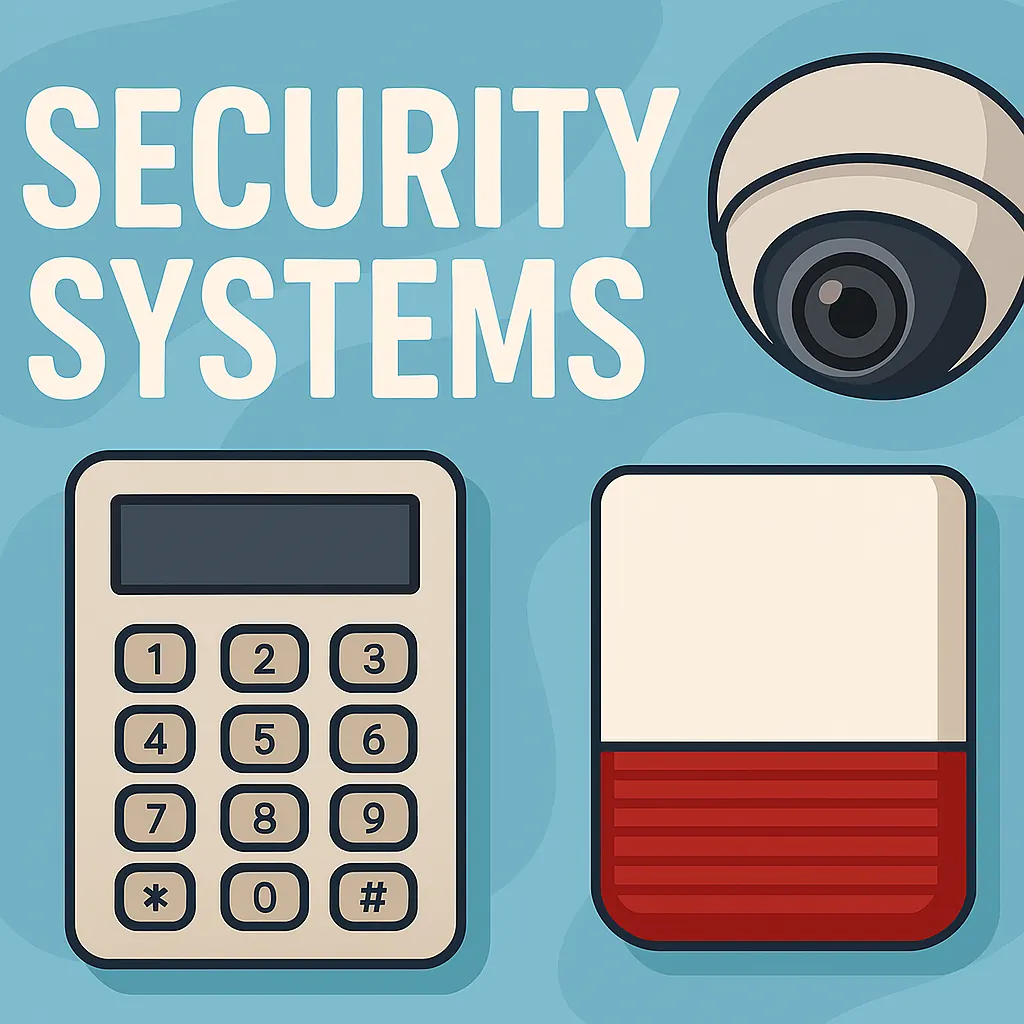
Nearly every alarm system, from a simple starter kit to a professionally installed setup, is made of the same building blocks:
- Base station or hub: the brain of the system. It connects all the sensors, sounds the alarm and sends alerts to your phone.
- Door and window sensors: small two-piece contacts that trigger when a door or window opens while the system is armed.
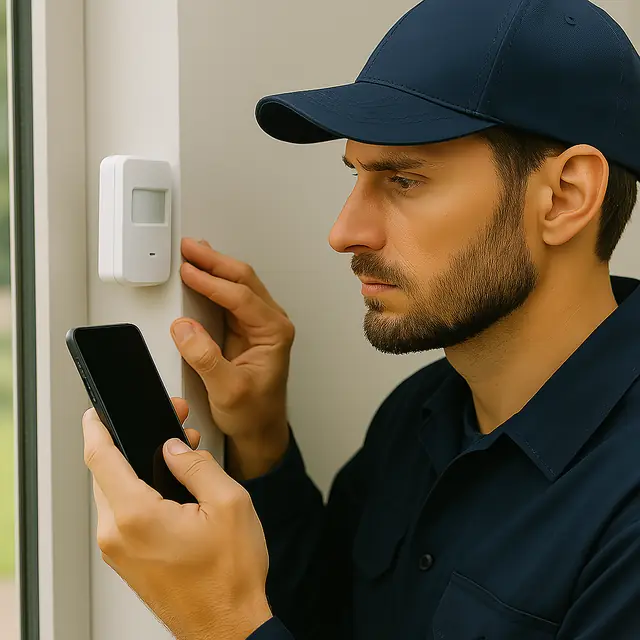
- Motion detectors: watch a room or hallway and detect movement. Many can be set to ignore pets under a certain size.
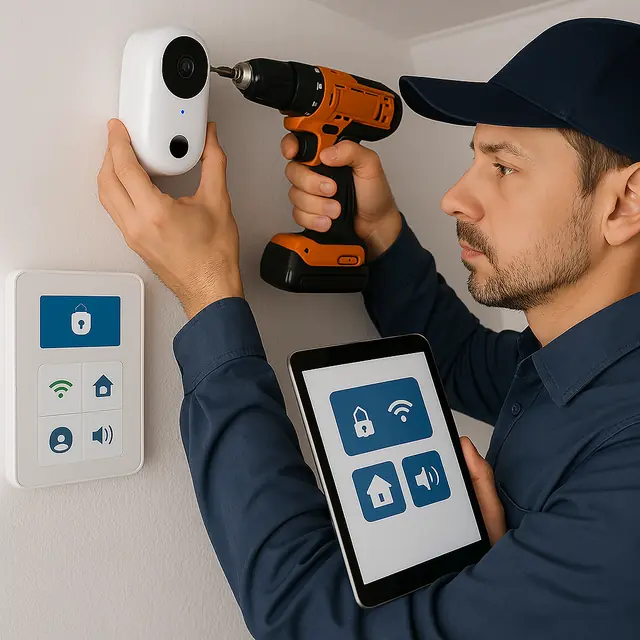
- Keypad and app: how you arm and disarm the system. Most people end up using the phone app more than the keypad.
- Siren: a loud alarm is still one of the most effective ways to make an intruder leave.
- Optional extras: glass-break sensors, smoke and carbon monoxide detectors, water leak sensors and panic buttons.
Where Security Cameras Fit In
Cameras and alarms do different jobs. An alarm tells you something is happening right now and makes noise. A camera shows you what’s happening and records it. Most homeowners want both.
For a typical home, the most useful camera locations are the front door (usually a video doorbell), the driveway, the back door and any detached garage or shed. Outdoor cameras should be weather-rated and have good night vision, since most activity you’ll care about happens after dark. If you’re comparing brands, our guide to the best home security cameras for West Virginia homes covers Ring, Arlo, Google Nest and more.
Smart Locks and Video Doorbells
A video doorbell lets you see and talk to whoever is at the door from anywhere, which also makes it a great way to keep an eye on packages. A smart lock lets you lock up from your phone, give family members their own codes and check whether you remembered to lock the door. Together, they’re one of the easiest upgrades you can make to your front entry.
Wired or Wireless?
Wireless systems use batteries and Wi-Fi, so they install quickly with very little drilling. Wired systems run cables to each device, which takes more work up front but is extremely reliable and never needs battery changes. Many homes end up with a mix: wireless sensors inside and wired cameras outside. We break down the pros and cons in wired vs. wireless security systems.
Self-Monitoring vs. Professional Monitoring
With self-monitoring, alerts go to your phone and you decide what to do, whether that’s checking a camera, calling a neighbor or calling 911. There’s usually no monthly fee beyond any video storage plan.
With professional monitoring, a monitoring center watches for alarms and can contact you and dispatch emergency services if you don’t respond. It costs a monthly fee, but it means an alarm still gets answered when you’re asleep, at work or out of cell service. Some homeowner’s insurance companies also offer a discount for monitored systems, so it’s worth asking your agent.
DIY or Professional Installation?
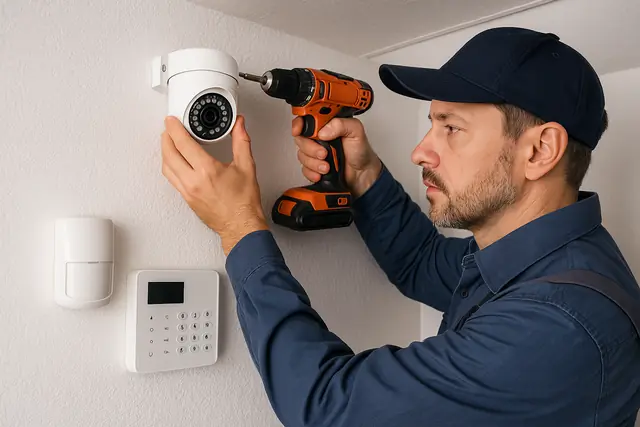
Plenty of people install a basic starter kit themselves, and that’s a fine option for a small home or apartment. Professional installation is worth it when you want cameras hardwired, need to run cable through walls or attics, have a larger home with Wi-Fi dead spots, or simply want it done right the first time. A pro will also think about placement, like mounting cameras high enough that they can’t be knocked down and angling them so they aren’t blinded by headlights or the setting sun.
Don’t Forget Your Wi-Fi
Most modern cameras and smart devices depend on Wi-Fi. If your router is in one corner of the house, a camera on the far side of the garage may disconnect, lag or miss recordings. Before adding outdoor cameras, check your signal where they’ll be mounted. Mesh Wi-Fi or an outdoor access point often fixes the problem. If your internet is unreliable, look for cameras that can record locally to a base station or memory card, so you don’t lose footage when the connection drops.
Things That Matter More in West Virginia
- Rural properties and long driveways: Wi-Fi may not reach the end of the driveway or an outbuilding, and cell service can be spotty. Plan for extra access points, wired cameras or a system with cellular backup.
- Cold winters: battery-powered cameras drain faster in freezing weather. Wired or solar-assisted cameras are more dependable outside year-round.
- Storms and power outages: choose a system with battery backup in the hub, and consider a small battery backup for your router so cameras stay online.
- Hills and tree cover: trees and terrain can block both Wi-Fi and solar panels, which affects where cameras can go.
A Simple Starter Plan
If you’re not sure where to begin, this covers the basics for most homes and can be expanded later:
- Door sensors on every entry door, including the door from the garage.
- A motion detector covering the main hallway or living area.
- A video doorbell at the front door.
- One or two outdoor cameras covering the driveway and back door.
- A smart lock on the door you use most.
From there, you can add window sensors, more cameras, smoke and leak detection or smart lighting as your budget allows.
Get Help Planning Your First System
CC Technologies is a family-owned company that installs security systems and cameras for homes in Charleston, Huntington, Hurricane and the surrounding area. We’ll walk through your home with you, point out the weak spots and recommend a system that fits your layout and budget, with no pressure to buy more than you need.